State Music
Computer Music Centre, Columbia University

I spent five weeks in NYC between March and April 2023. It was a fantastic opportunity to work at the Computer Music Center in New York. The CMC is the first electronic music studio in the USA and Seth Cluett was kind enough to let me continue my research in the best conditions. During this stay I was able to compose two pieces for my forthcoming debut album State Music: Black boxes, white cubes & open spaces and Infrastructure & Superstructure.

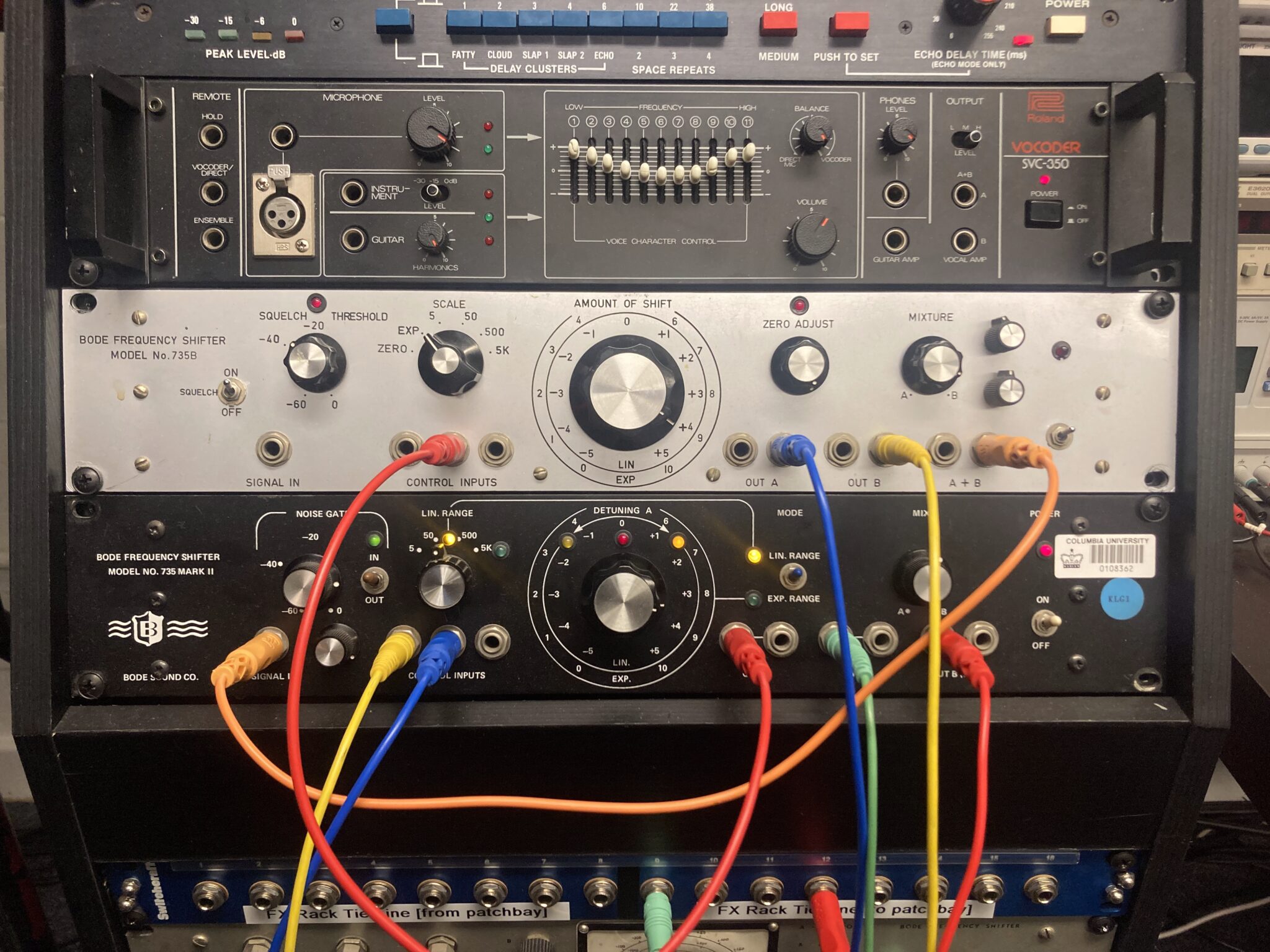
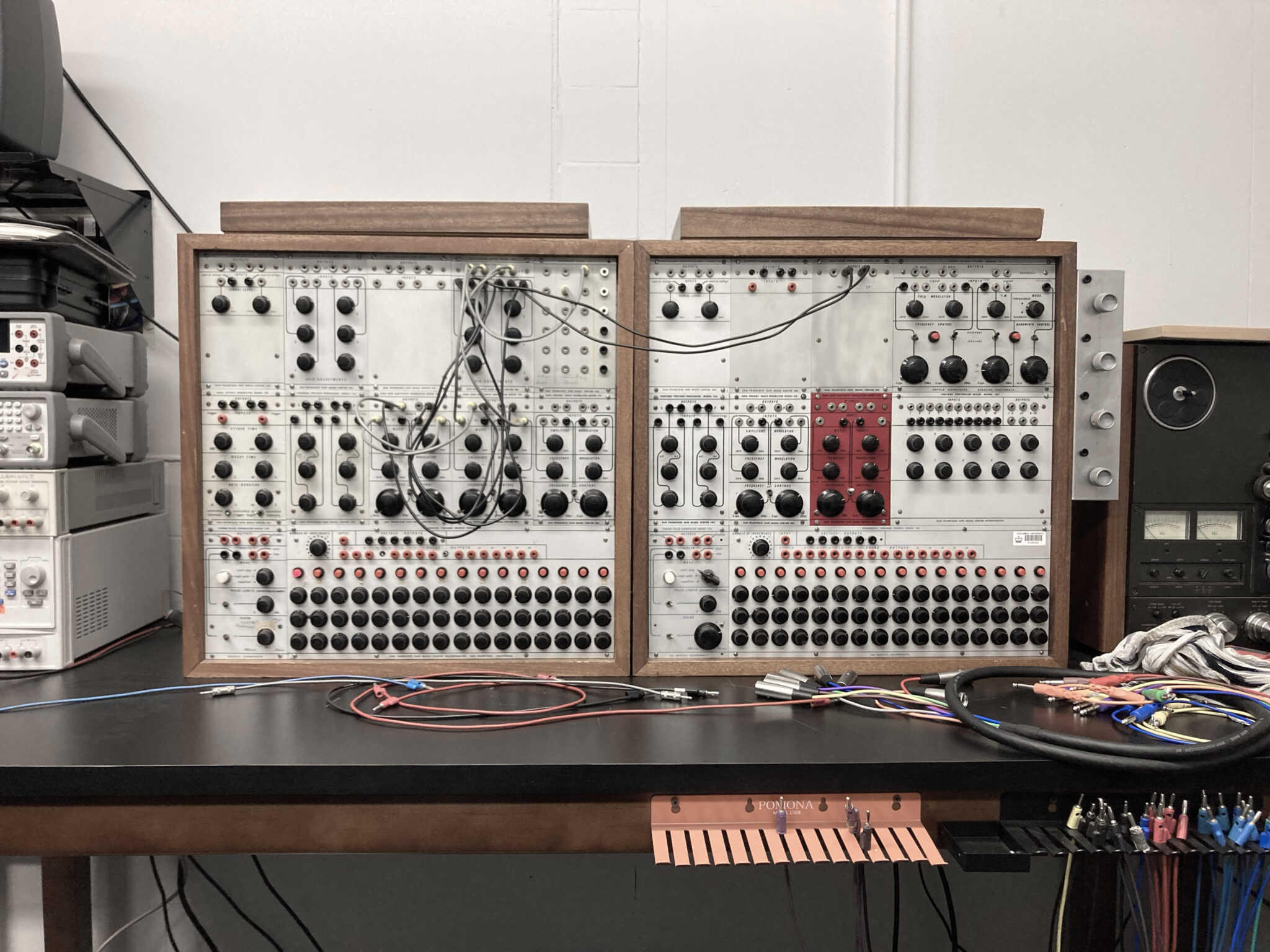
The first was recorded in Studio 324 on two very early versions of Buchla and Serge analogue modular systems and two Bode frequency shifters. The process was similar to what I had done at EMS Stockholm, Radio Belgrade, KSYME Athens and Willem Twee Studio in Den Bosch. I improvised one the machines installed in the studio, tested a lot of patches and recorded many hours of textures, accidents and other sonic events using a variety of techniques. The editing, collaging, layering and mixing was done later in my studio. I just followed one rule. Don’t use the same recording twice. No loops, nothing like that.

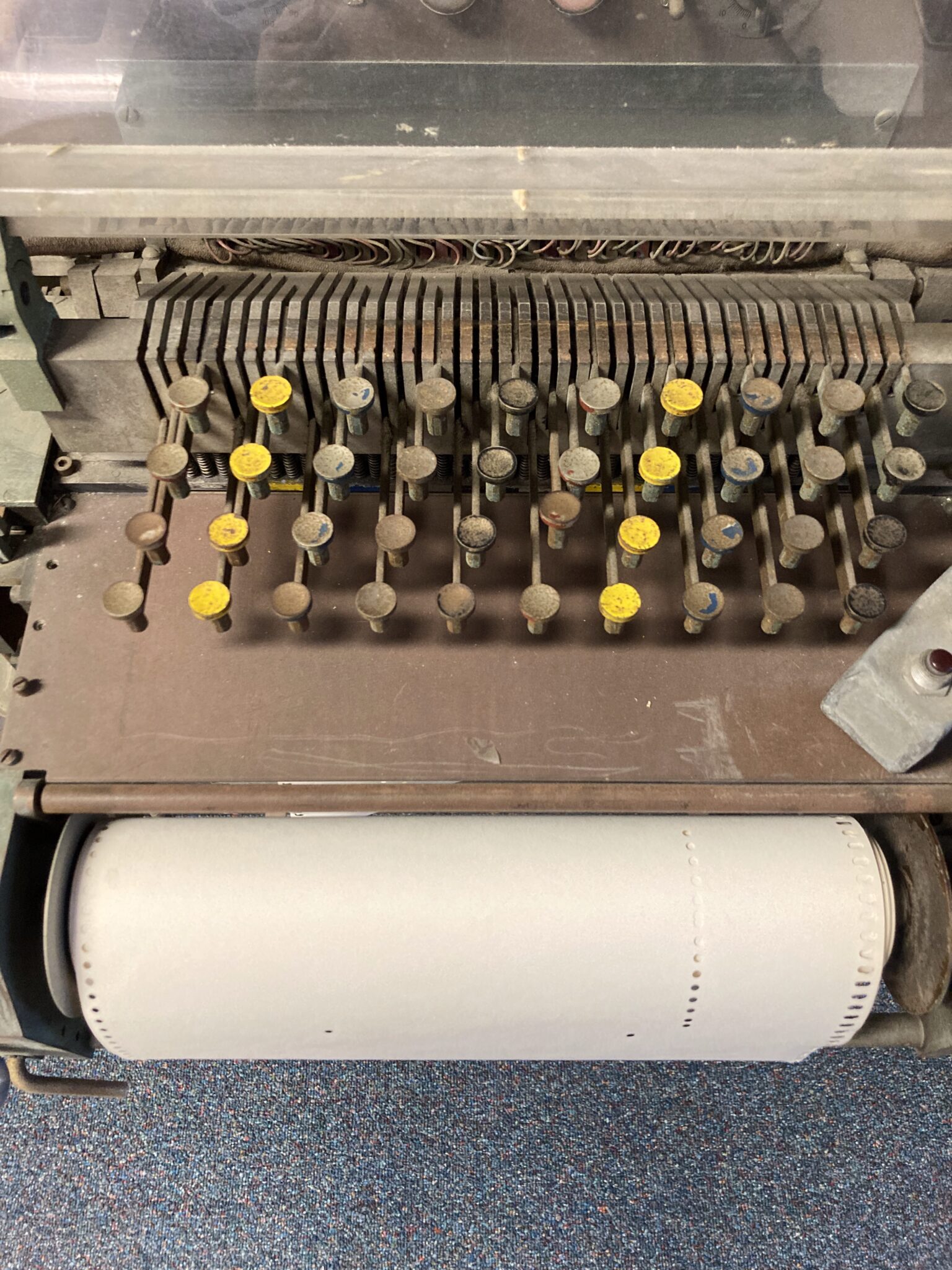
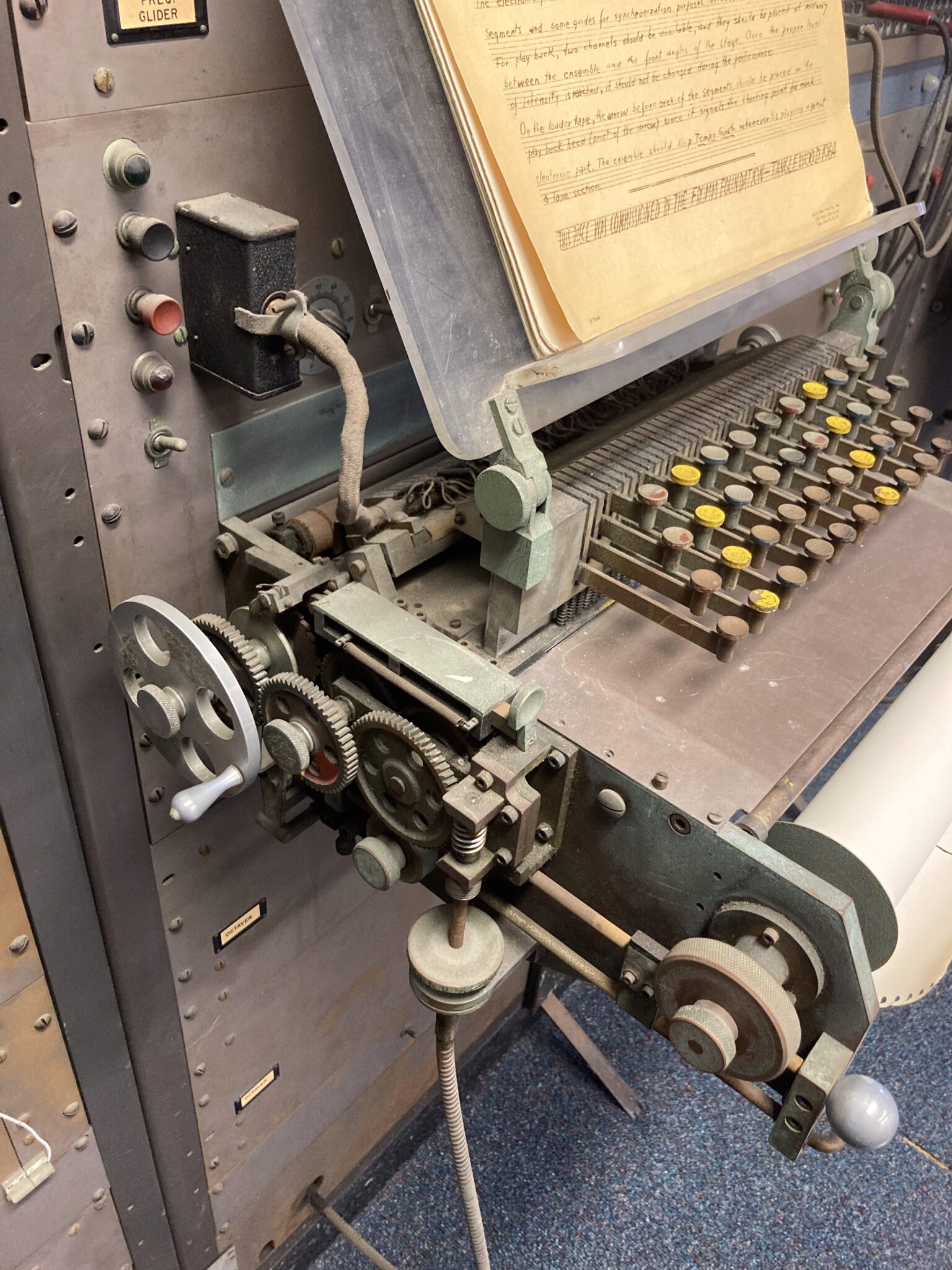
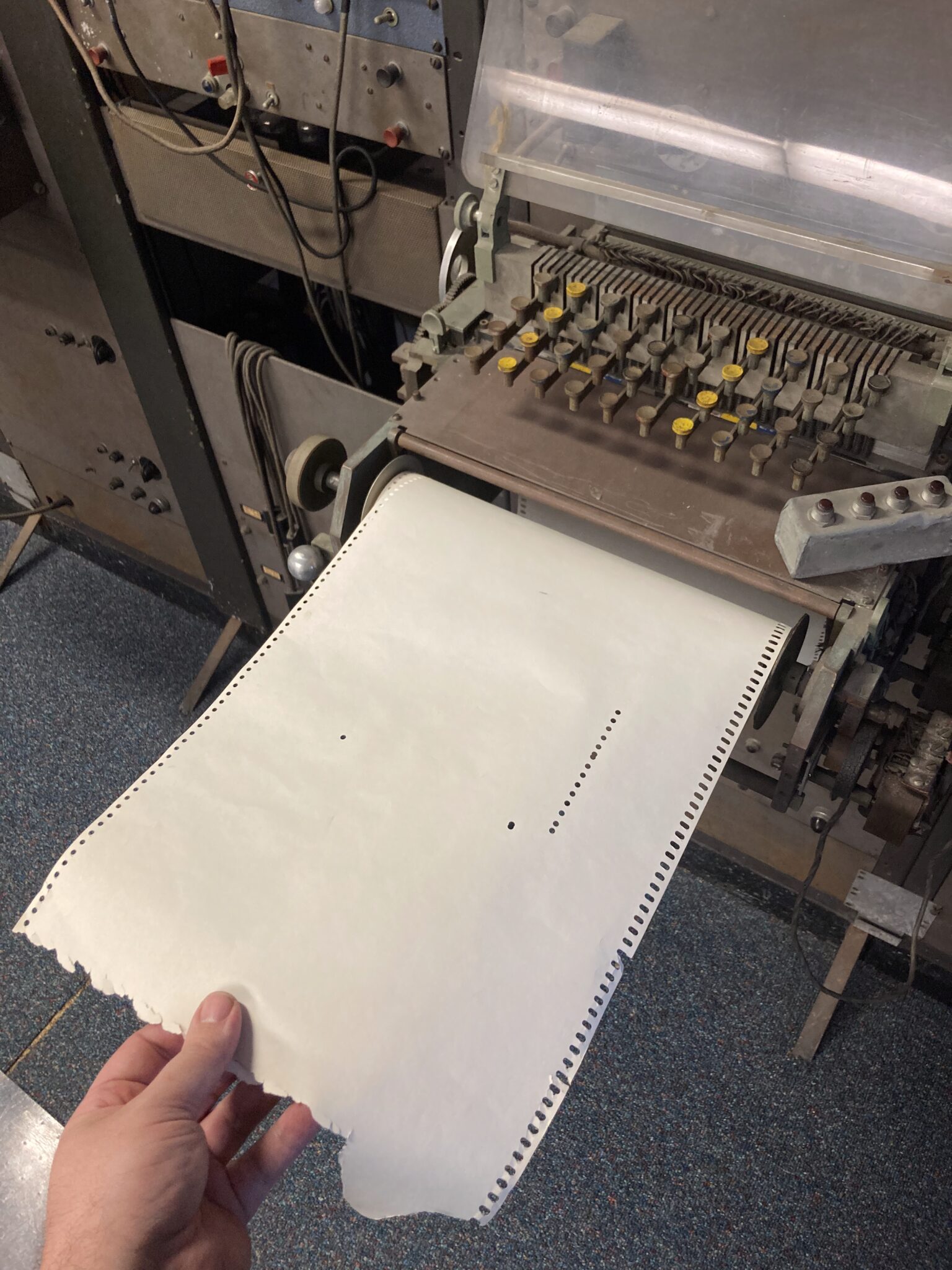
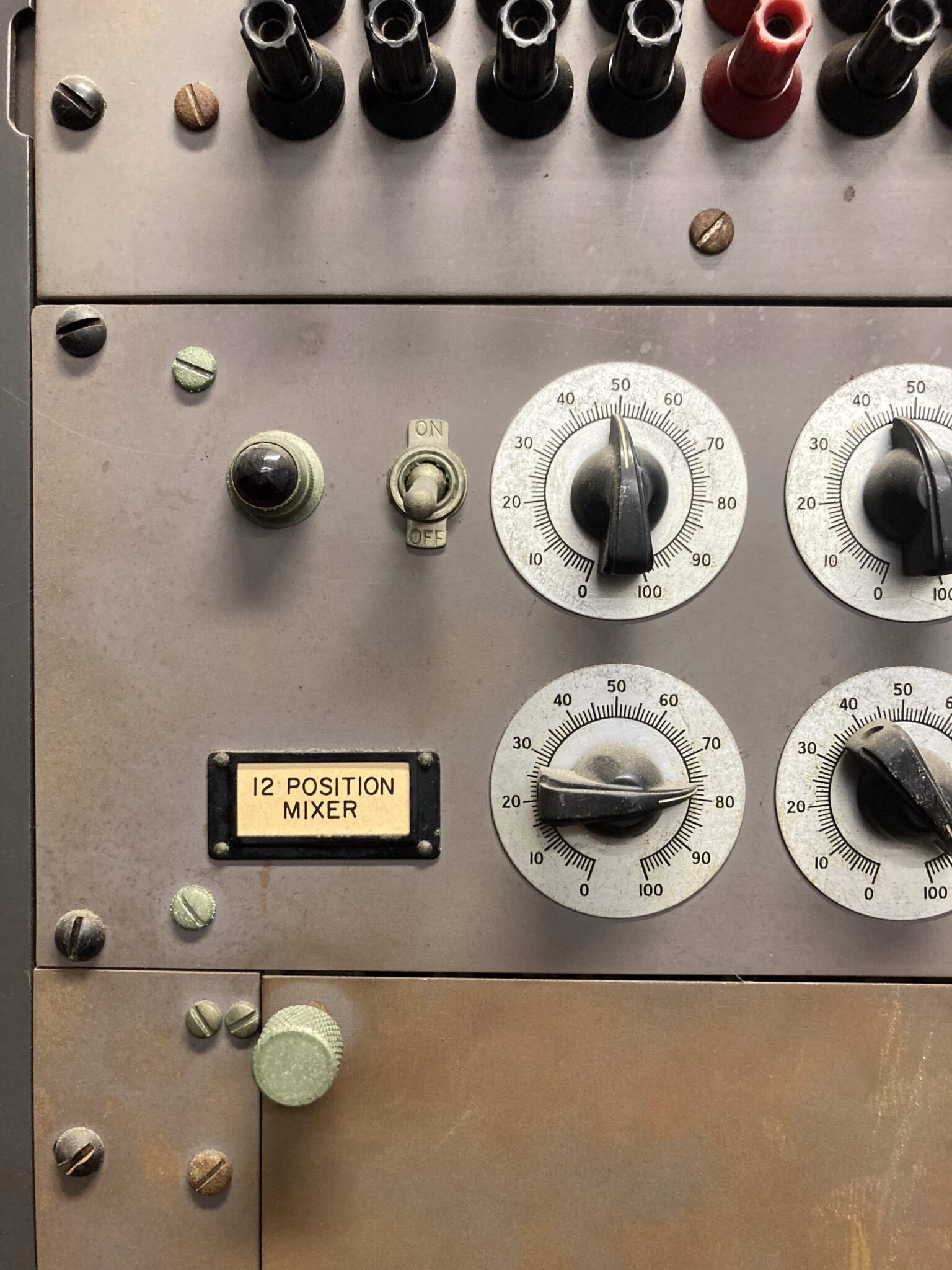
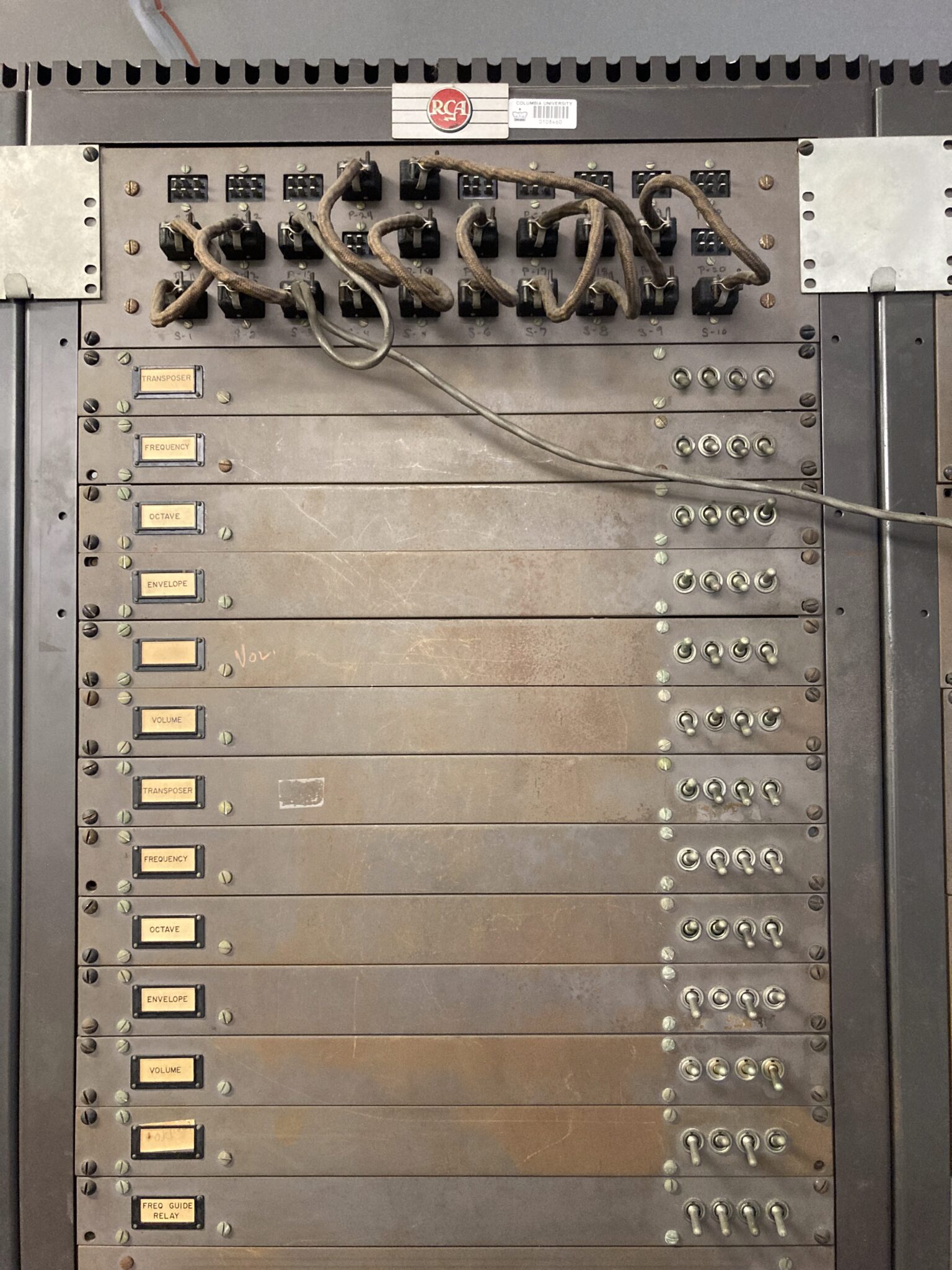
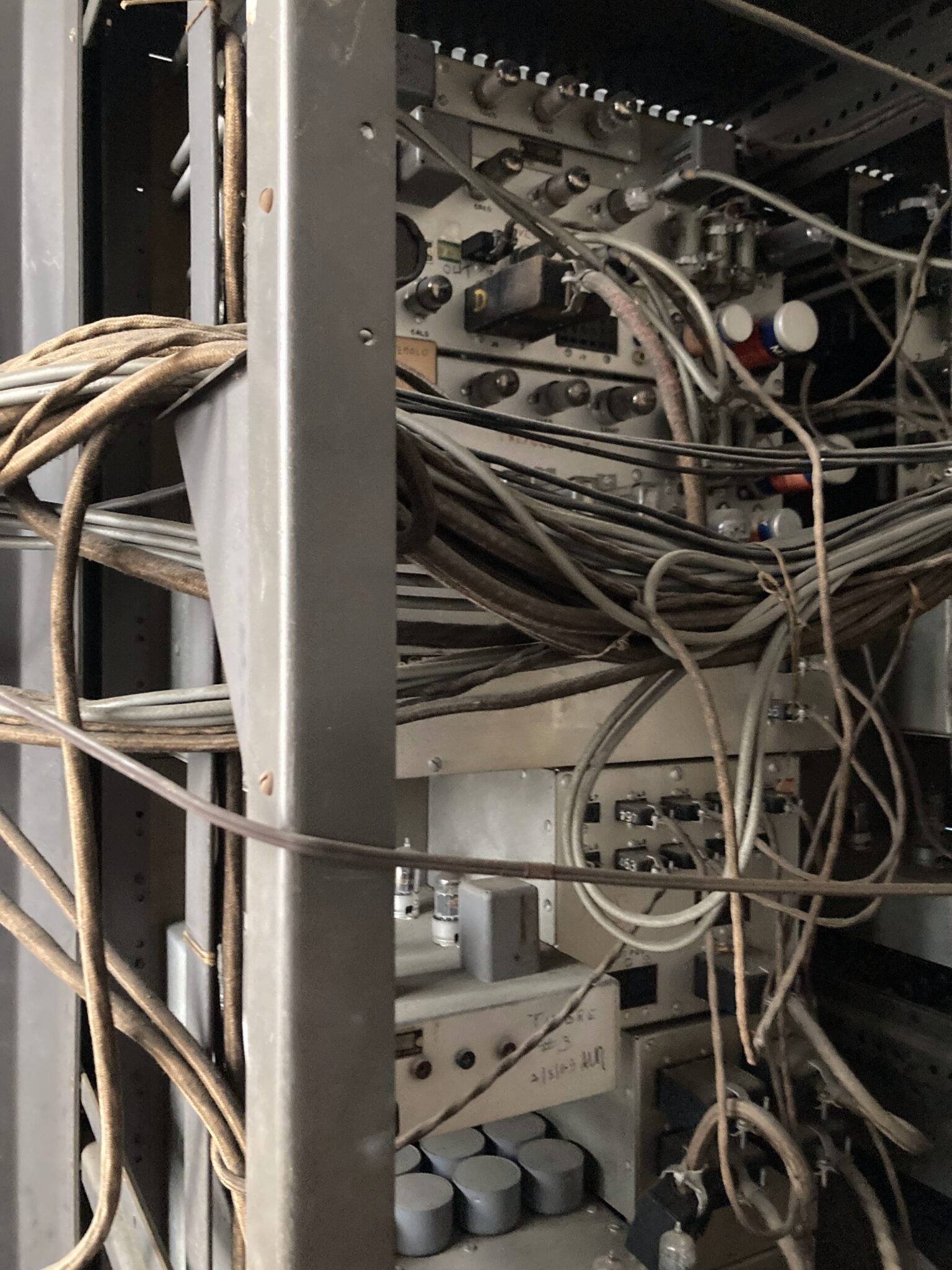
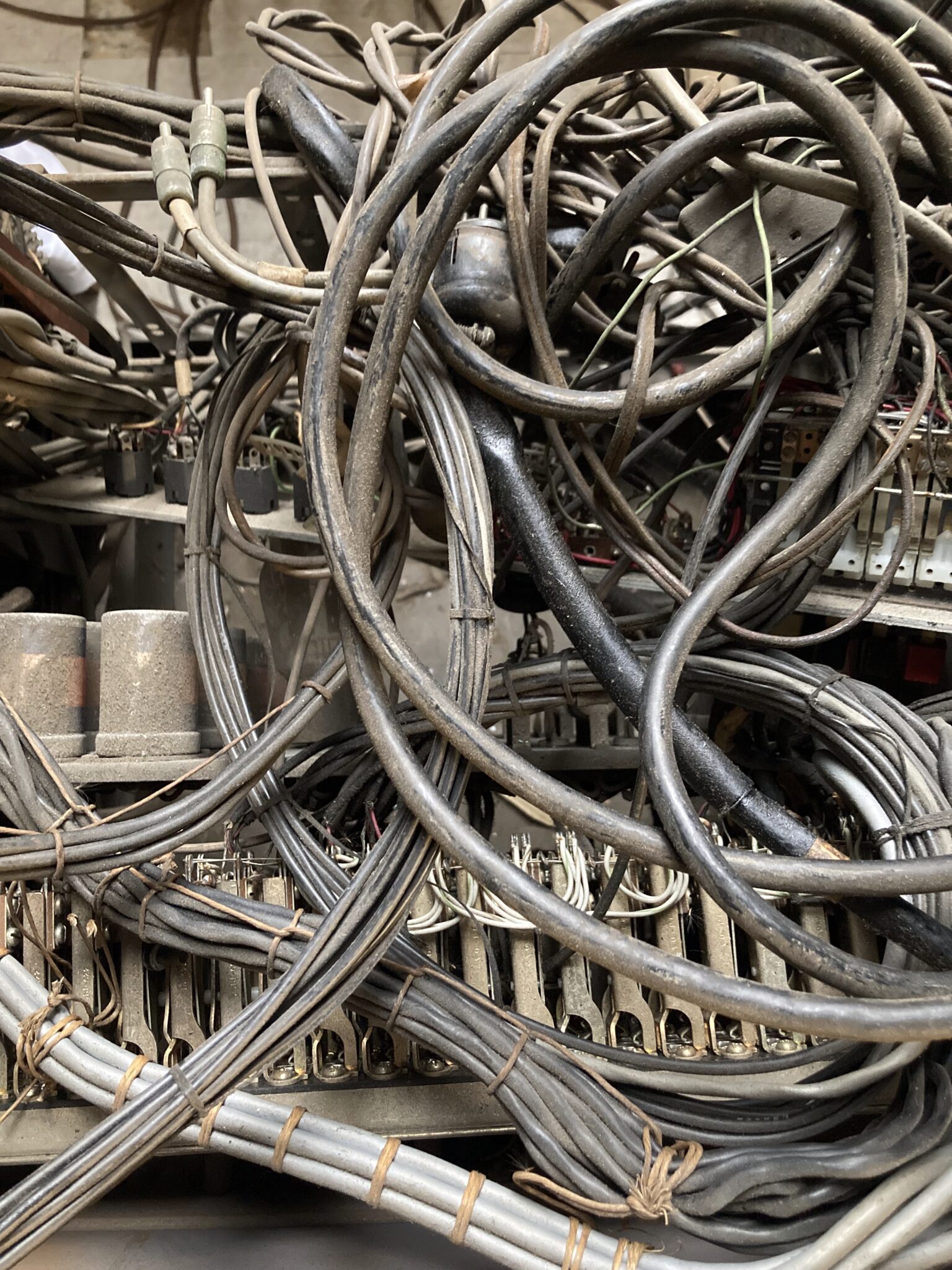
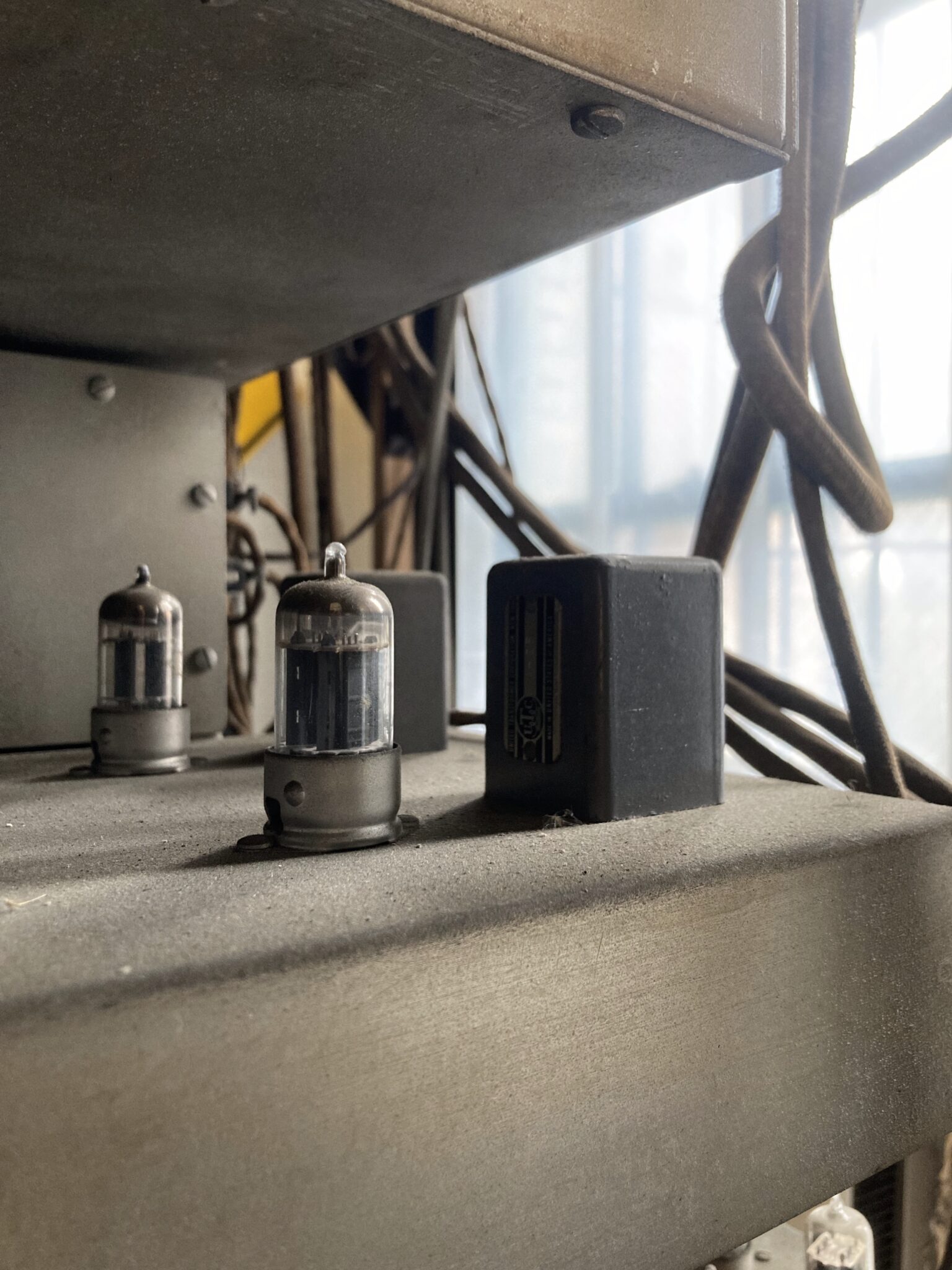
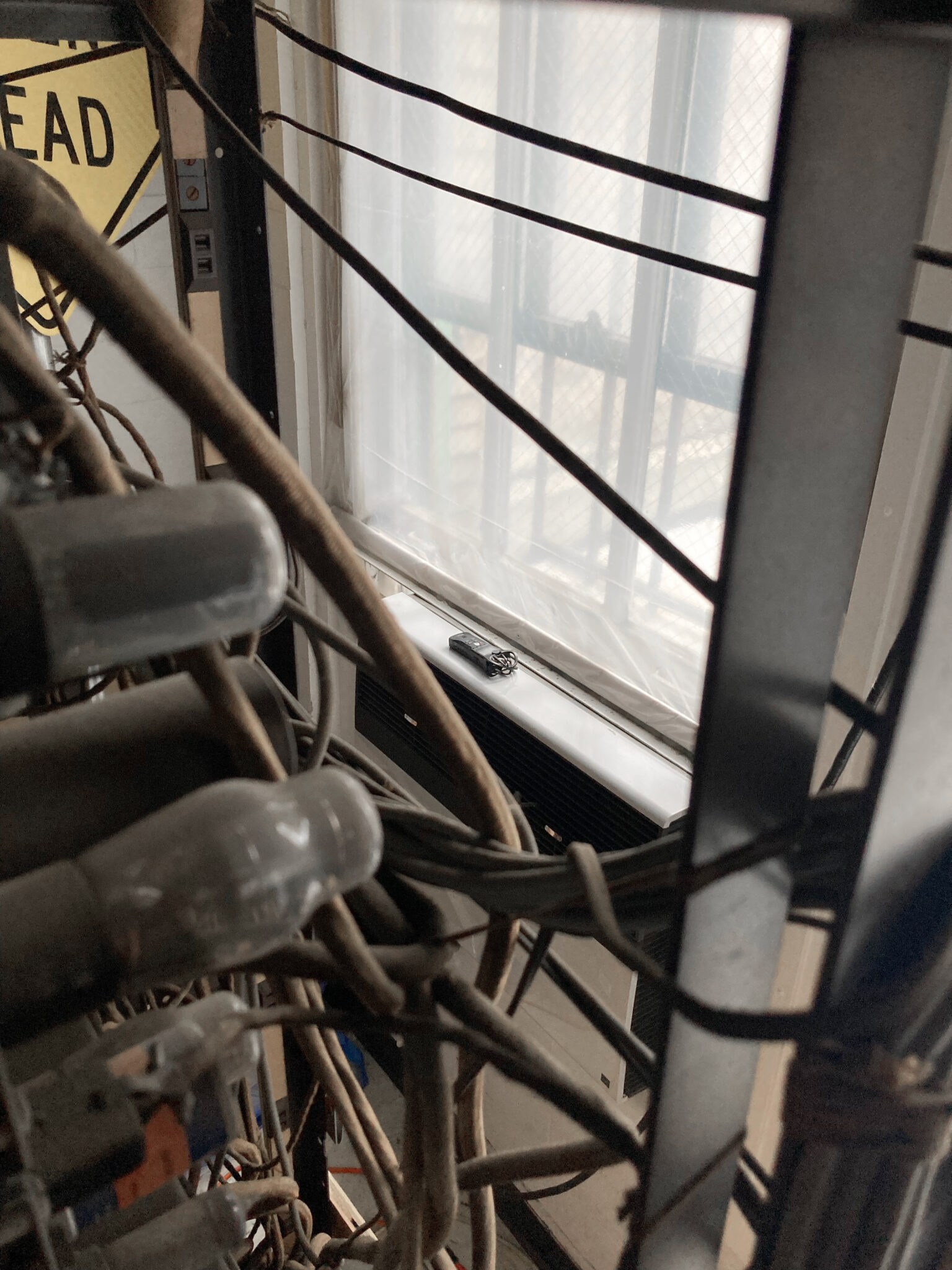
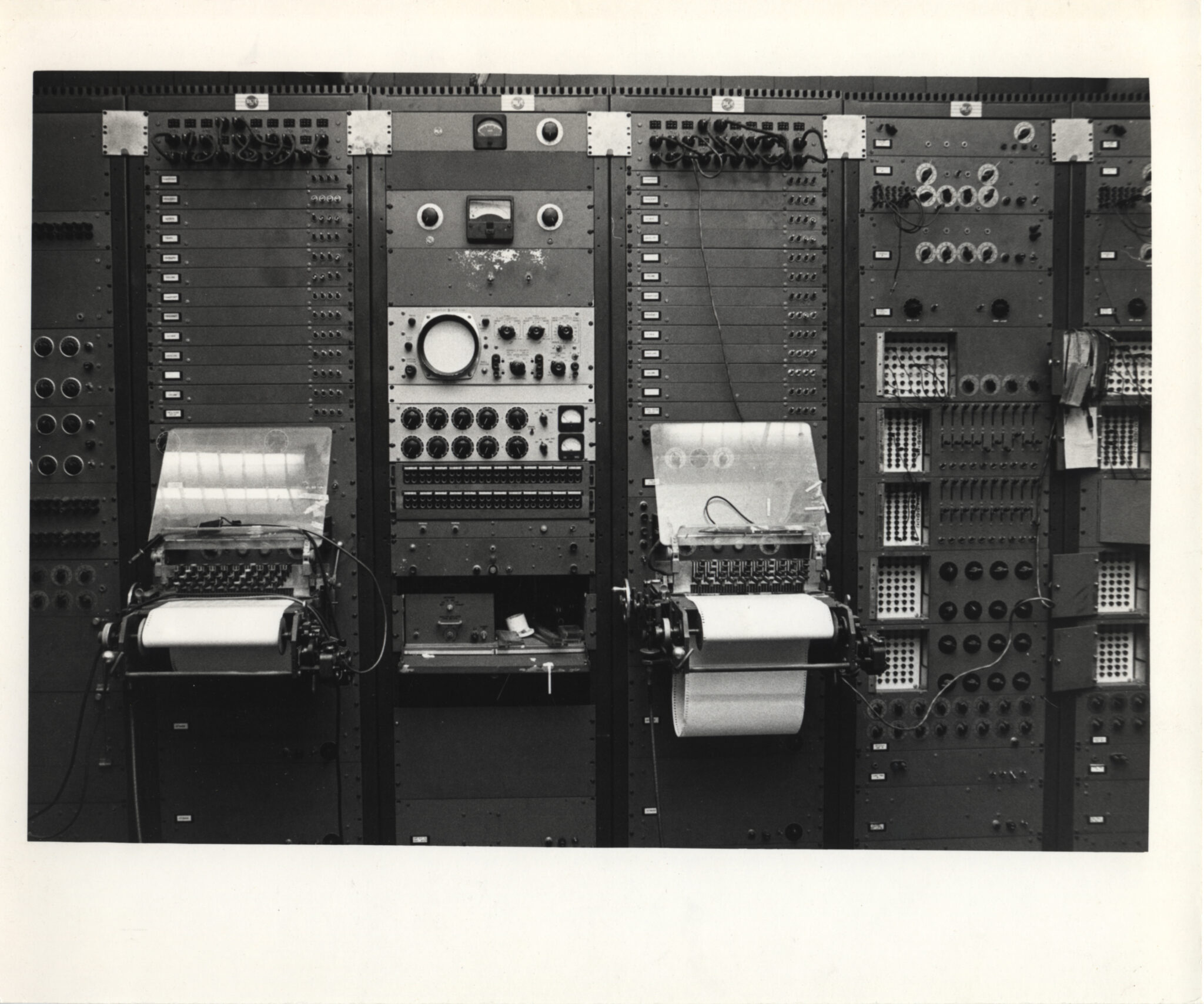
The second composition was recorded in Jace Clayton’s office. Why? Because the RCA Mark II, aka « Victor », considered one of the first music synthesizers ever, still sits in that room. The synth has been out of order since 1976, when someone broke into the Prentis Hall building and vandalised the machine. But I decided to make use of it anyway. I opened one of the office windows to let sounds from the city into the room and recorded the tiny vibrations caused by street noise with a geophone magnetised to the synthesizer. In this way the synthesiser essentially acted as a loudspeaker. A cheap recorder was placed near the window. Two wide cardioid microphones were placed in the middle of the room for a high quality recording. Most of the time I sit in front of the synthesizer and do nothing but listen, and every now and then I flip a switch, turn a potentiometer or unplug a patch cable to activate the acoustic space of the office and make the metal frame of the machine vibrate. I also places an electromagnetic field detector against a metallic part of Victor and when I plugged or unplugged a 75 year old cable in the rusty patchbay, the radio frequencies detected my device changed. The cables changed the electrical conduction of the whole machine. It felt alive!
Working on « Victor » was an amazing moment. I’ve been working on the State Music project since 2018. I realised that being in that room with that silent machine felt like achieving something. My understanding of electronic music history was much deeper than five years before. The links between early synthesizers and the military industry were much clearer to me. I knew I didn’t have to go in other studio to finish this first solo record.

Here’s an anecdote from The Enabling Instrument: Milton Babbitt and the RCA Synthesizer » a paper by Martin Brody.

When the Mark-I appeared in 1955, it was listed in the RCA Acoustics Laboratory inventory with a proud comparison: The synthesiser was ‘second only to the Typhoon rocket simulator as the largest single assembly to come out of the David Sarnoff Research Center’. Although the Mark-I was built to recreate a peaceful expression of human subjectivity rather than to obliterate a hostile and remote man-machine, its input/output components were as indifferent to the workings of the psyche as an anti-aircraft predictor. 

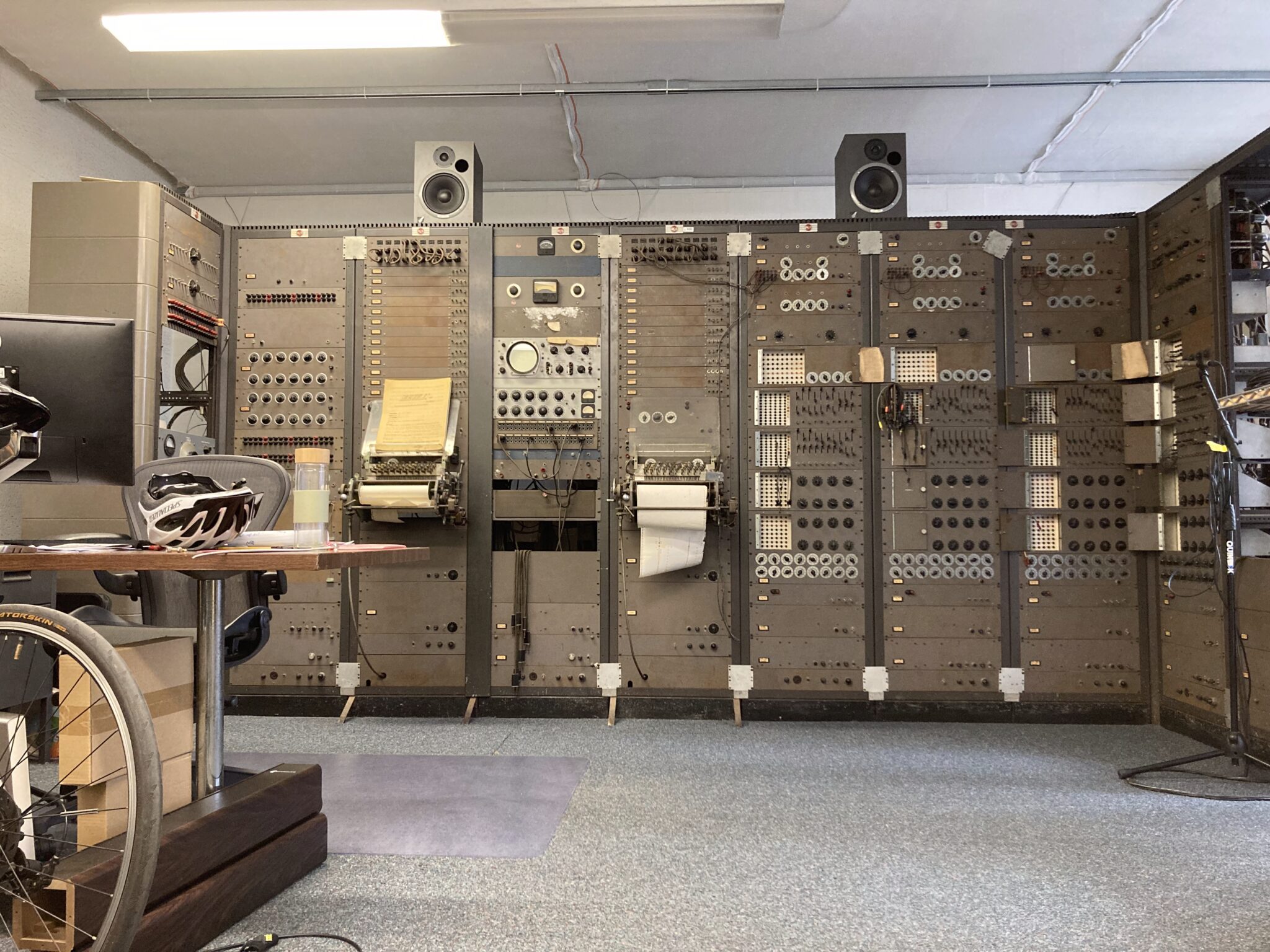
the RCA Mark-II today. It doesn't work anymore since it was vandalized 50 years ago. It's still installed in the director's office. At that time it was Jace Clayton and he let me record there for two afternoons without questioning my life choices.
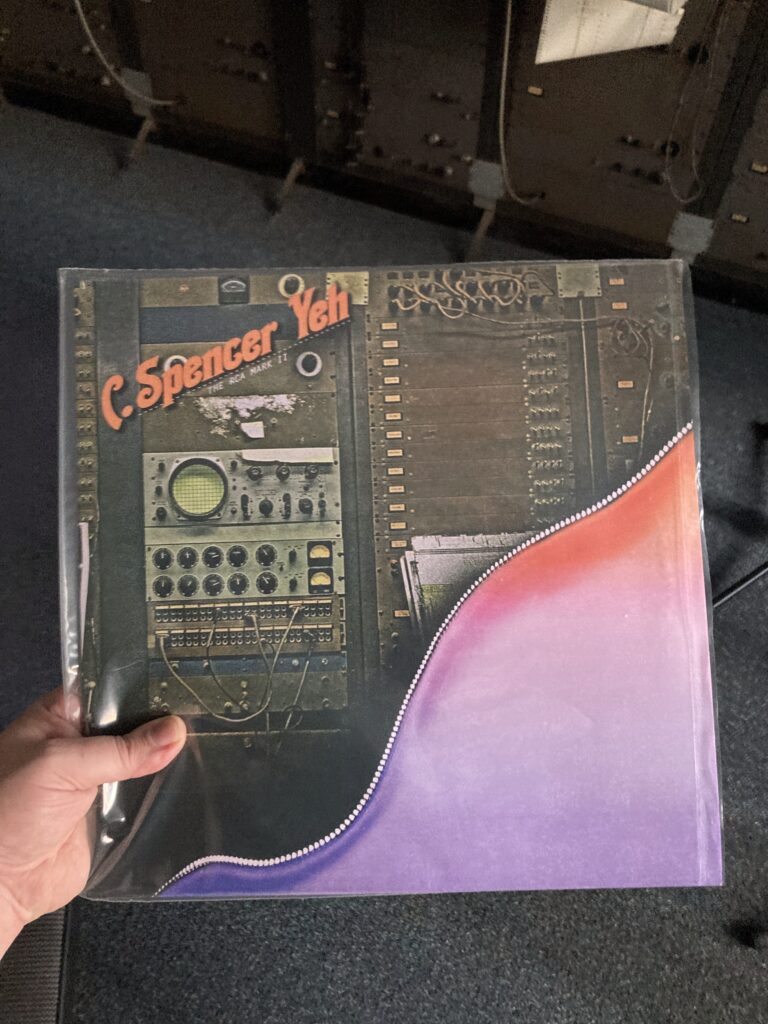
Infrastructure & Superstructure, the last track of State Music was inspired by this record of C. Spencer Yeh. But after a chat with Francisco Meirino we tought it would be nice to record the RCA Mark-II without sequencing samples. Just playing and improvise with it.
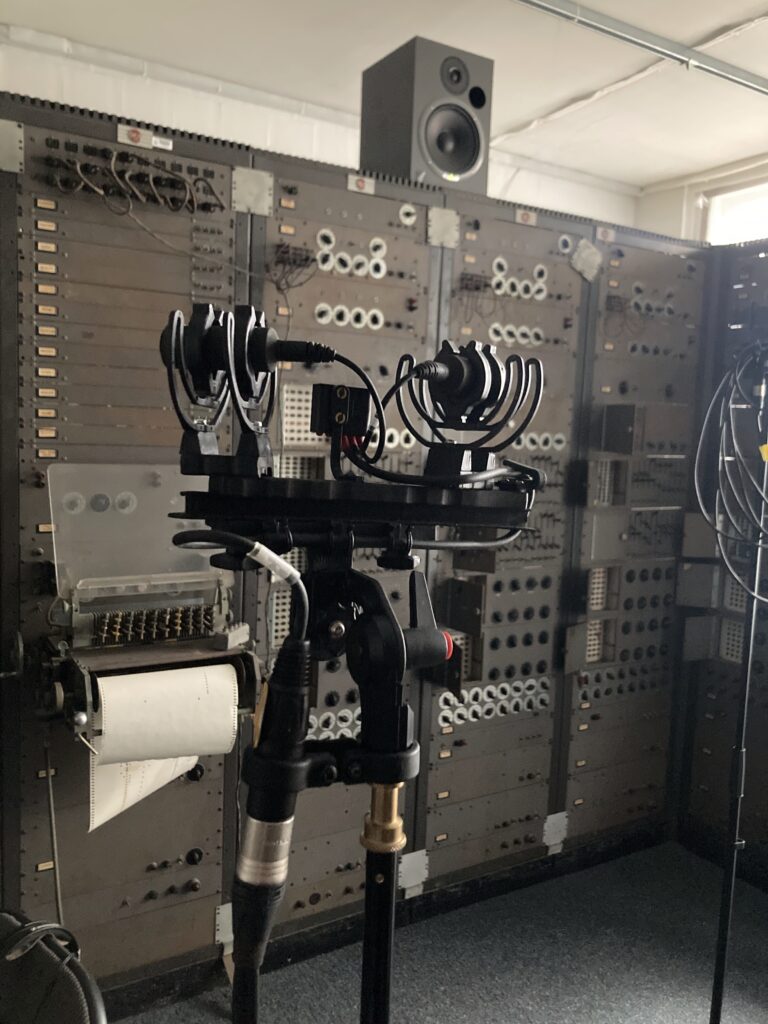
Here's one of the many setups I tried to record my "performance" on the RCA Mark-II

While I was at the CMC, Seth Cluett told me about the process of making a plugin version of the RCA Mark-II. Two years later in 2025, when I was finally finishing the mix of Infrastructure & Superstructure, I contacted him to know if the plug-in* was available. He wasn’t but we put in contact with Ezra J. Teboul and this developper sent me a max’msp version of the filter. After a few tweek, with the help of my friend Robert Torche, I was able to un my recordings of the RCA through the digital version of it’s filter bank. It’s a really geek detail but I’m really happy about it.

*RCA Mark II Sound Effects Unit circuit analyzed and modeled as a wave digital filter by Kurt James Werner, based on measurements and research by Ezra J.Teboul, with assistance and support from Seth Cluett, Emma Azelborn, the Columbia University Computer Music Center, iZotope, and the Institut Français / the FACE Foundation.

Credits

Year

2023

Collaborators

-

Label

Insub.records, Arrière-Garde

Fomat

Residency

Guests

-

Help

Seth Cluett, Jace Clayton, Anna Meadors

Curators

-

Duration

14'17'' & 11'24''

Photo

Laurent Güdel

Location

New York City

Mastering

Francisco Meirino

Artwork

Current Matters

Text

Laurent Güdel

Related