Doorbell, between public and private space
00:00
The organisers of “Les Voix de la Ville” and the Lausanne-based association “les Topophoniques” invited me to collaborate with the Maison de Quartier de Chailly to create a sound work. For this project, I was interested in the doorbell as an interface between public and private spaces, but also as a technological and political apparatus. I noticed that the Maison de Quartier didn’t have a doorbell, which is quite logical, given that the building is generally open when activities get going. The community centre itself is a public space in which one can feel at home.
My installation consists of 50 false doorbells. They are distributed around the building and divided into different categories. To play an mp3 file, the audience has to press the button on one of the fake bells. The installation forms a visit that begins with a typology of bell sounds and recordings of intercoms transmitting the sound of a street. I then conducted a series of interviews with users of the Maison de Quartier de Chailly to find out what their relationship was with their doorbell. What did they think of the sound? But also what’s the procedure for a visitor to enter their home? The answers were surprisingly varied and revealing. You can listen to people’s answers by pressing different doorbells.
As the Maison de Quartier de Chailly doesn’t have a doorbell, I contacted Koch AG, a company based in the canton of Zurich. It was this company that fitted my apartment with an intercom system. When I visited their website, I realised that Koch AG is more than just a company that sells doorbells. It’s a surveillance company. They sell cameras, connected and smart doorbells and much more. So I contacted a company representative for a quote and advice on the equipment for the Maison de Quartier de Chailly, which of course had no intention of buying a doorbell, much less a video surveillance system. I recorded our conversation and we discussed all the problems associated with the simple gesture of opening a door.
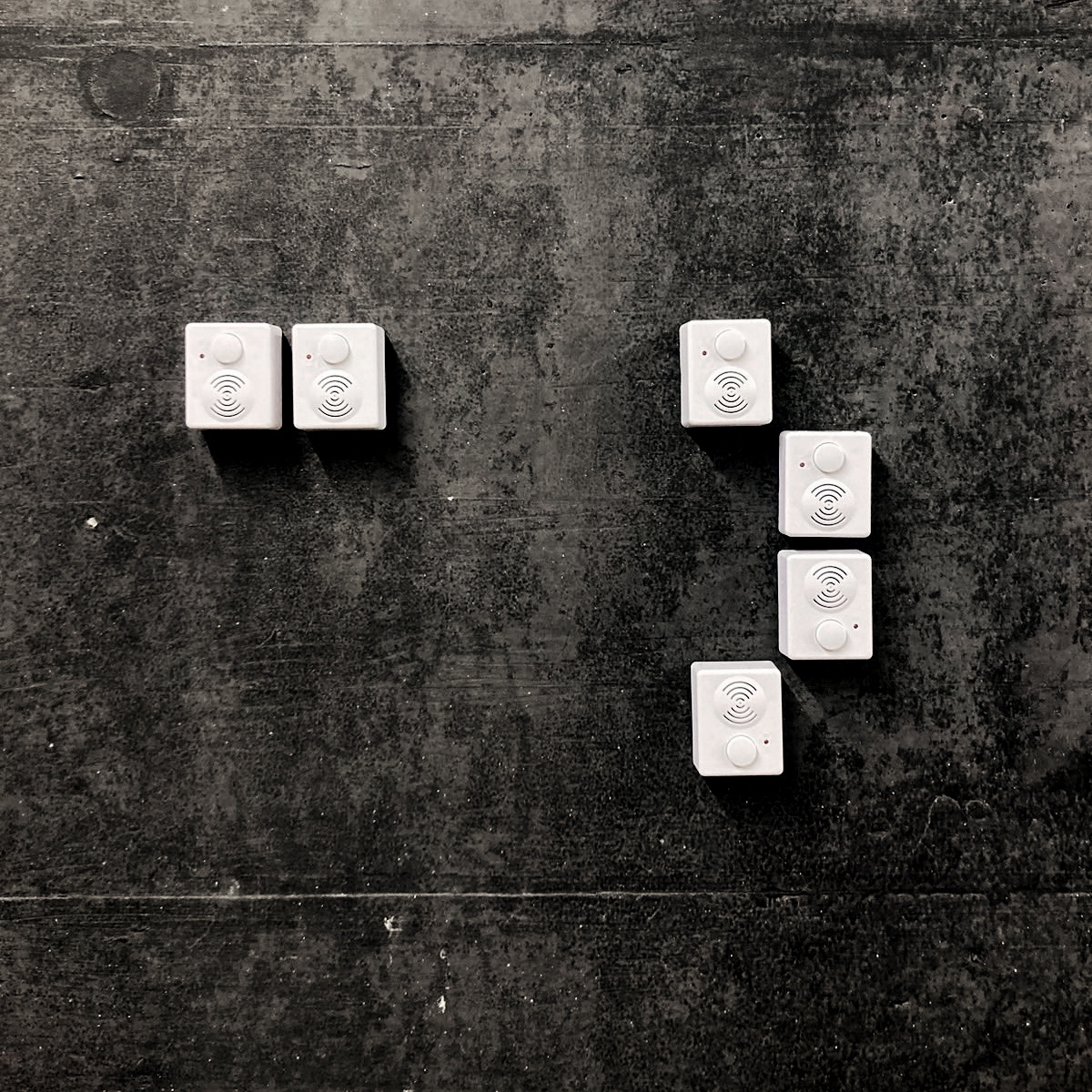
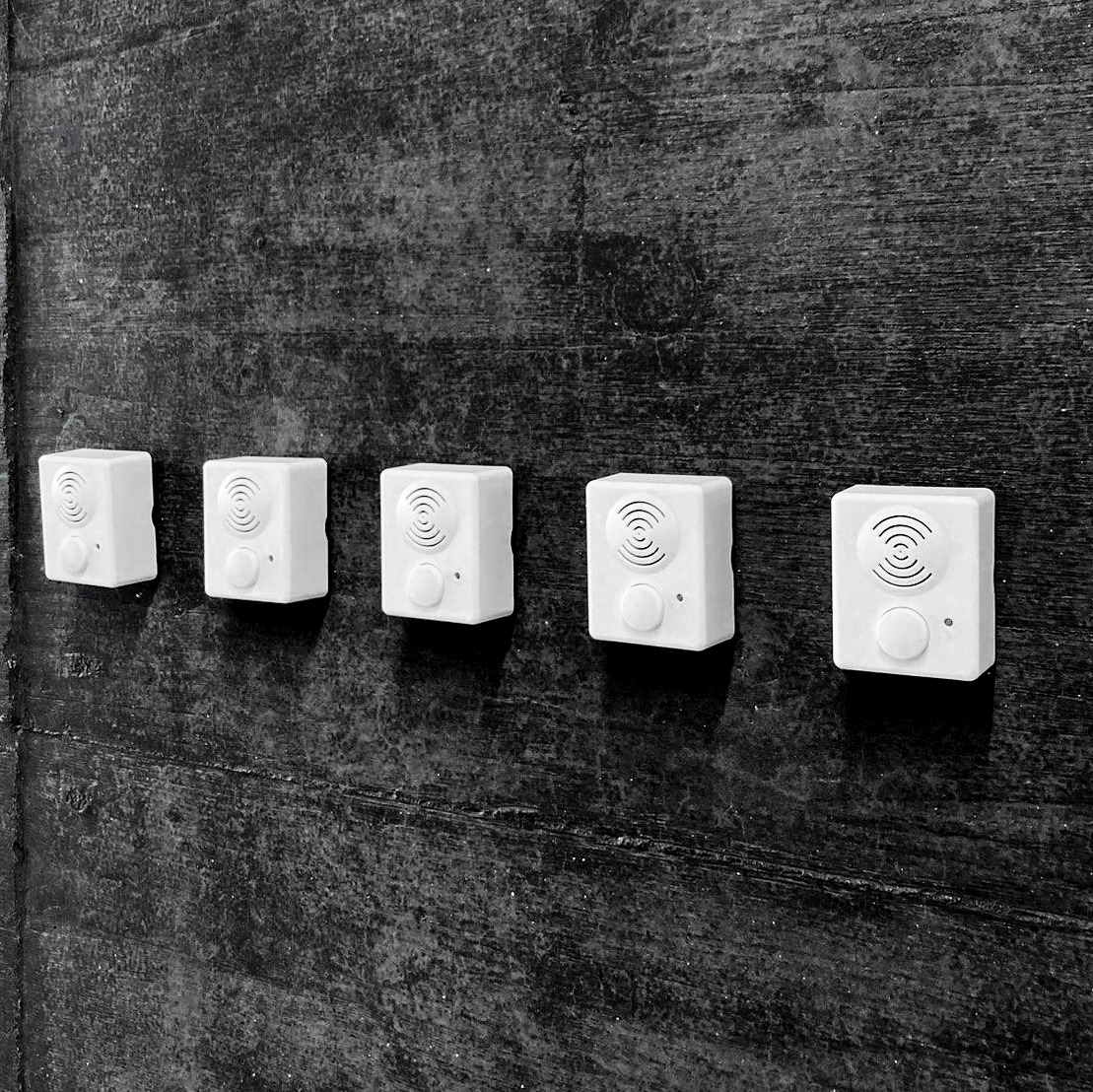
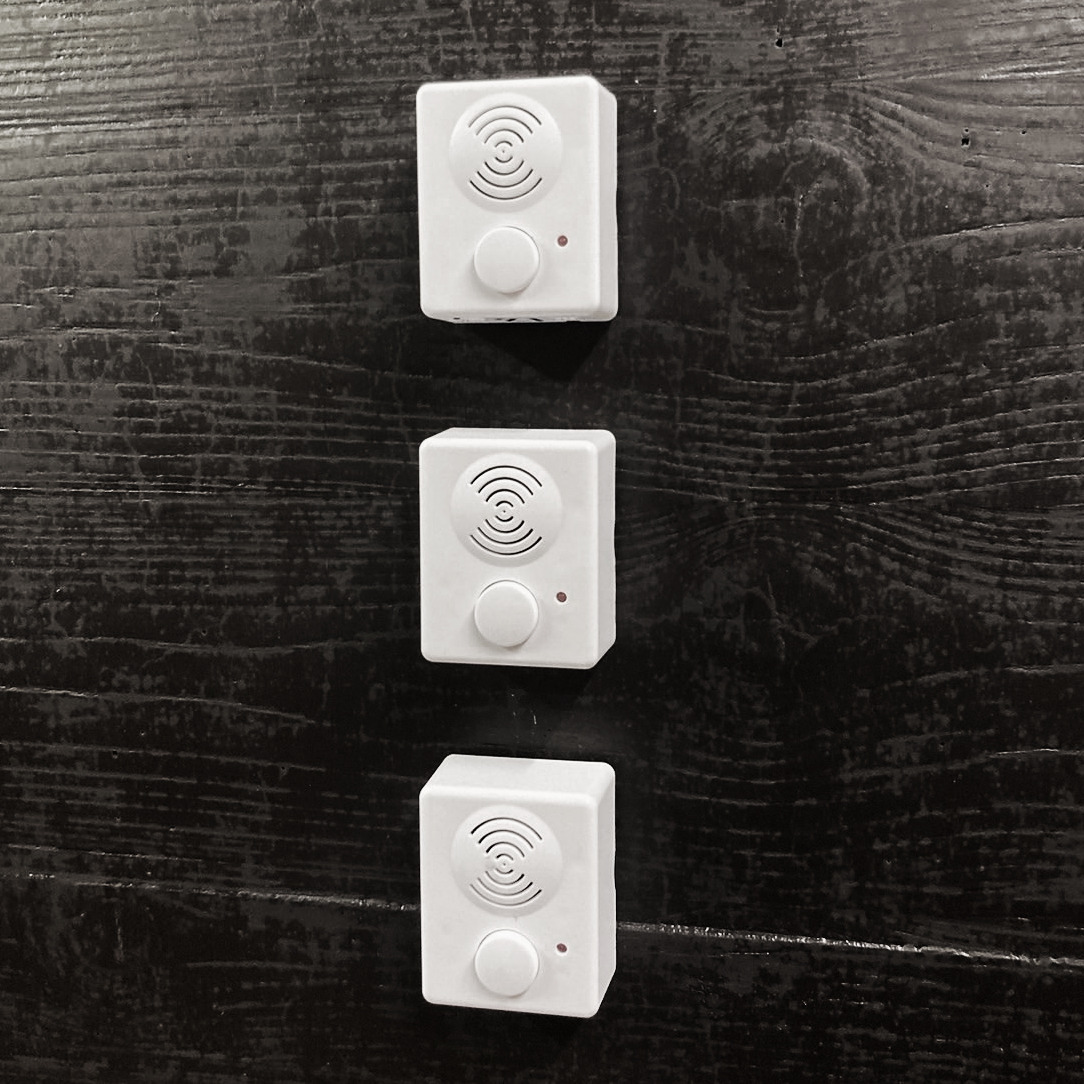
In the last part of the tour, I give a verbal description of the different stages of evolution of the doorbell. From their pneumatic prehistory in the 19th century to “Ring”, a company owned by Amazon that supplies doorbells that are actually video surveillance systems connected to smartphones and ultra-local social networks where images of supposedly suspicious behaviour are shared. Doorbells now collect private data to sell it and keep filming public and private spaces and share videos on hyperlocal social networks such as “Neighbors”. This causes many problems.
According to Wikipedia, “Neighbors” has been criticised for its partnerships with law enforcement agencies. The Electronic Frontier Foundation said that apps like Neighbors “facilitate the reporting of so-called ‘suspicious’ behaviour that actually amounts to racial profiling”. Fight for the Future has described Ring and Neighbors as a private surveillance network supported by law enforcement partnerships that “undermine our democratic process and basic civil liberties”.